


Die Universität Göttingen ist eine international bedeutende Forschungsuniversität mit langer Tradition. 1737 im Zeitalter der Aufklärung gegründet, fühlt sie sich den Werten von Demokratie, Toleranz und Gerechtigkeit sowie der gesellschaftlichen Verantwortung von Wissenschaft verpflichtet. Als erste Volluniversität in Deutschland wurde sie 2003 in die Trägerschaft einer Stiftung Öffentlichen Rechts überführt. Mit 13 Fakultäten deckt sie ein differenziertes Fächerspektrum in den Natur-, Geistes- und Sozialwissenschaften sowie der Medizin ab. Etwa 30.000 Studierende verteilen sich auf mehr als 210 Studiengänge.
Aktuelle Meldungen
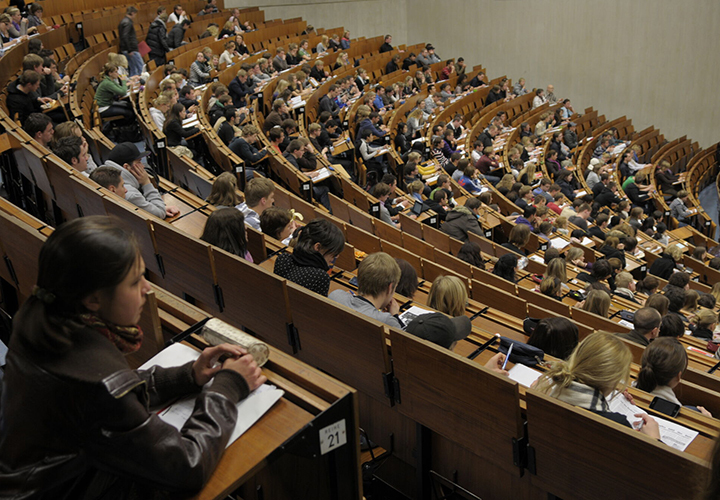
Top-Werte für Göttinger Studienfächer
Gute Werte für die Universität Göttingen: Im aktuellen Fächerranking „QS World University Rankings by Subject“ erreicht die Fächergruppe Agrarwissenschaften und Forstwissenschaften deutschlandweit Platz eins, weltweit wird sie auf Rang 24 gelistet. Die Fächergruppe Theologie, Religion und Religionswissenschaften landet weltweit auf Rang 30 und deutschlandweit auf Platz sechs.
mehr…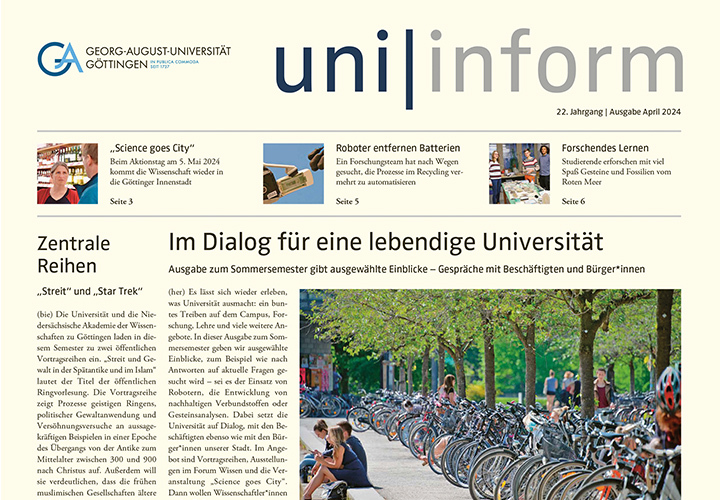
Neue Ausgabe der uni|inform erschienen
Roboter beim Recycling von Elektroschrott einsetzen, nachhaltige Verbundstoffe entwickeln und den Strukturwandel in ehemaligen Bergbauregionen gestalten: In der aktuellen Ausgabe zum Sommersemester geben wir ausgewählte Einblicke, wie nach Antworten auf aktuelle Fragen gesucht wird. Lesen Sie auch, wie Studierende Gesteinsproben vom Roten Meer untersuchen und warum sich Forschende auf den Austausch mit Bürger*innen beim Aktionstag in der Innenstadt freuen.
mehr…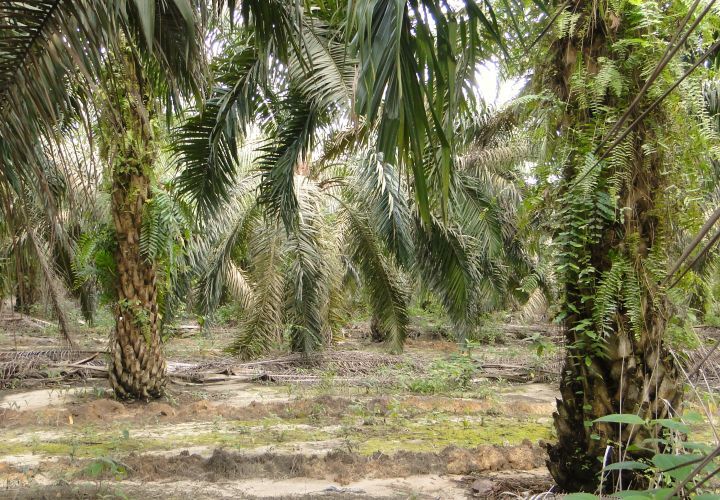
Für eine nachhaltigere Palmöl-Produktion
Der Boom des Ölpalmanbaus in Indonesien in den vergangenen Jahrzehnten hat die Lebensbedingungen vieler Landwirte verbessert, dabei aber zum Verlust der biologischen Vielfalt und großflächigen Zerstörung der Regenwälder geführt. Ein internationales Forschungsteam unter der Leitung der Universitäten Göttingen und Hohenheim hat nun Wege für die Zukunft des Ölpalmanbaus skizziert, die wirtschaftlichen Wohlstand und ökologische Nachhaltigkeit besser in Einklang bringen sollen.
mehr…
Chancen der Kreislaufwirtschaft
„Circular Economy – Eine Wirtschaftsform für morgen?“ – unter dieser Fragestellung diskutieren Jugendliche aus Göttingen mit Experten sowie mit Politikerinnen und Politikern. Die öffentliche Veranstaltung am Freitag, 19. April 2024, wird vom YLAB – Geisteswissenschaftliches Schülerlabor der Universität Göttingen organisiert. Die Veranstaltung beginnt um 18 Uhr in der Alten Mensa am Wilhelmsplatz.
mehr…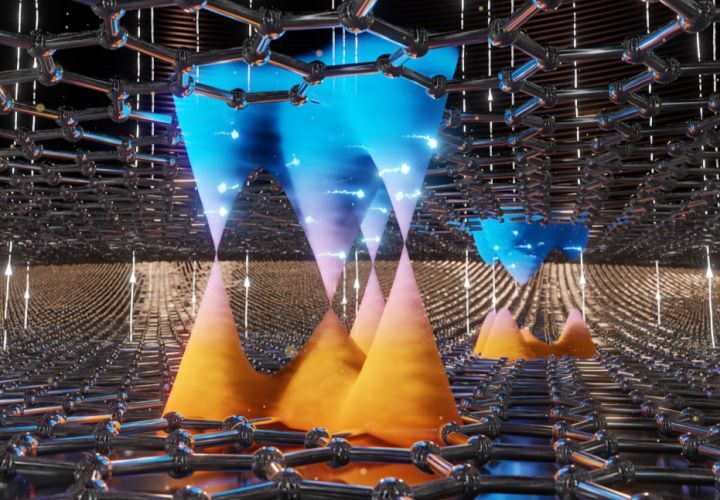
Quantenelektronik: Ladung bewegt sich in zweischichtigem Graphen wie Licht
Ein internationales Forschungsteam unter der Leitung der Universität Göttingen hat erstmals experimentell nachgewiesen, dass sich Elektronen in natürlich vorkommendem zweischichtigem Graphen wie Teilchen ohne Masse bewegen, so wie sich auch Licht bewegt. Außerdem konnte das Team zeigen, dass der Strom ein- und ausgeschaltet werden kann, was das Potenzial für die Entwicklung winziger, energieeffizienter Transistoren birgt – wie der Lichtschalter im Haus, aber im Nanomaßstab.
mehr…
Hohe Auszeichnung für die Geisteswissenschaften
Die Islamwissenschaftlerin Prof. Dr. Irene Schneider und der Sprachwissenschaftler Prof. Dr. Hedde Zeijlstra von der Universität Göttingen erhalten jeweils einen Advanced Grant des Europäischen Forschungsrates (ERC). Der ERC fördert ihre Projekte fünf Jahre lang mit insgesamt jeweils 2,5 Millionen Euro. Darüber hinaus ist die Historikerin Dr. Anna Dorofeeva mit einem Teilprojekt an einem Advanced Grant der University of Leicester beteiligt.
mehr…


Veranstaltungskalender
Lade Veranstaltungen…


